
Beaver Builders
In this activity, you will
learn about the life of a beaver and how they spend much of their time in water as engineers.
Supplies Required
- Water

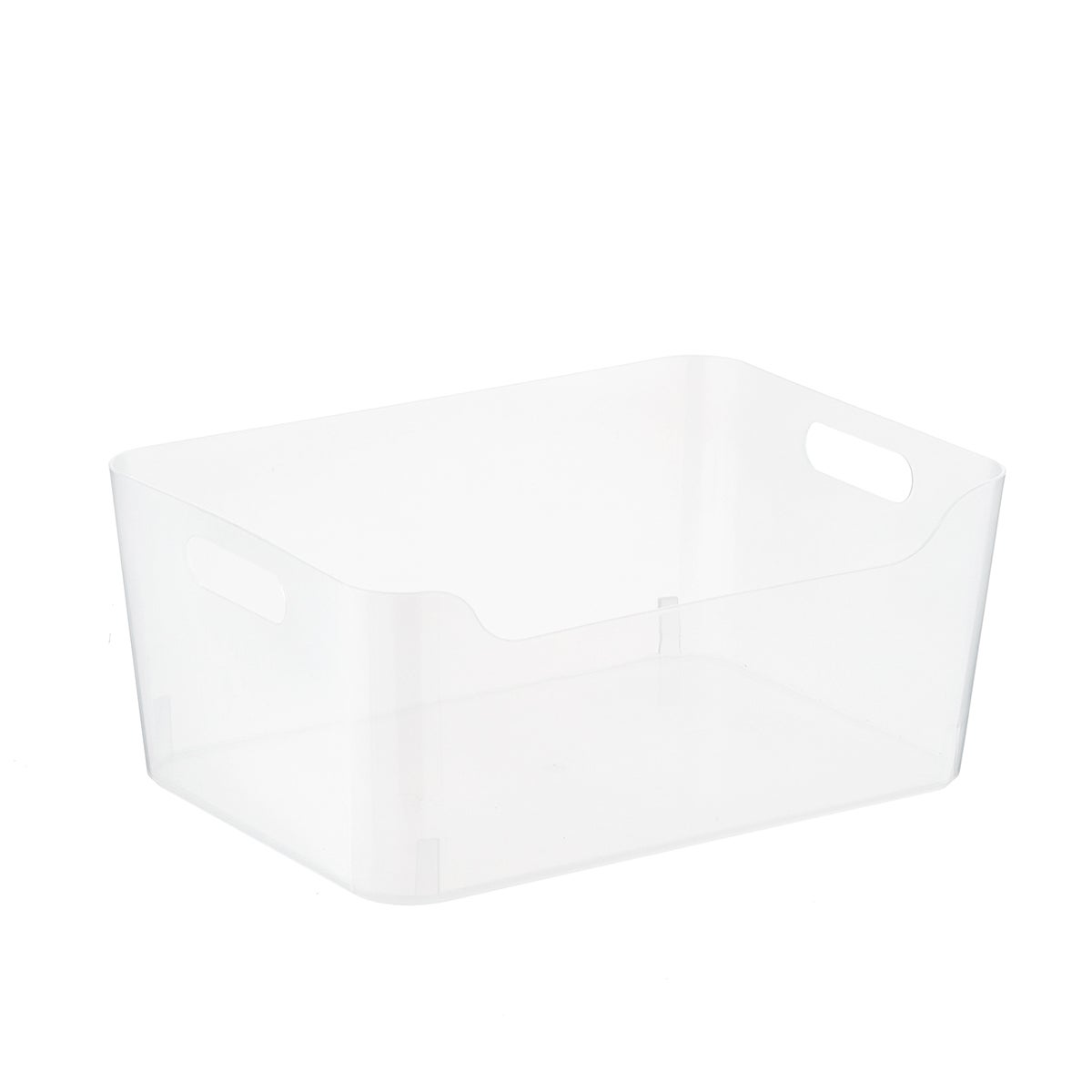
- Plastic bin or aluminum pan

- Craft sticks

- Pipe cleaners

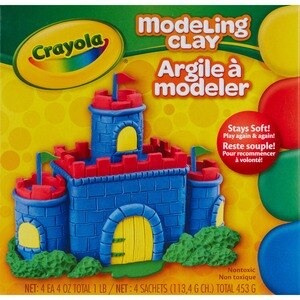
- Modeling clay
- Sticks, pebbles, rocks from outside


The Challenge
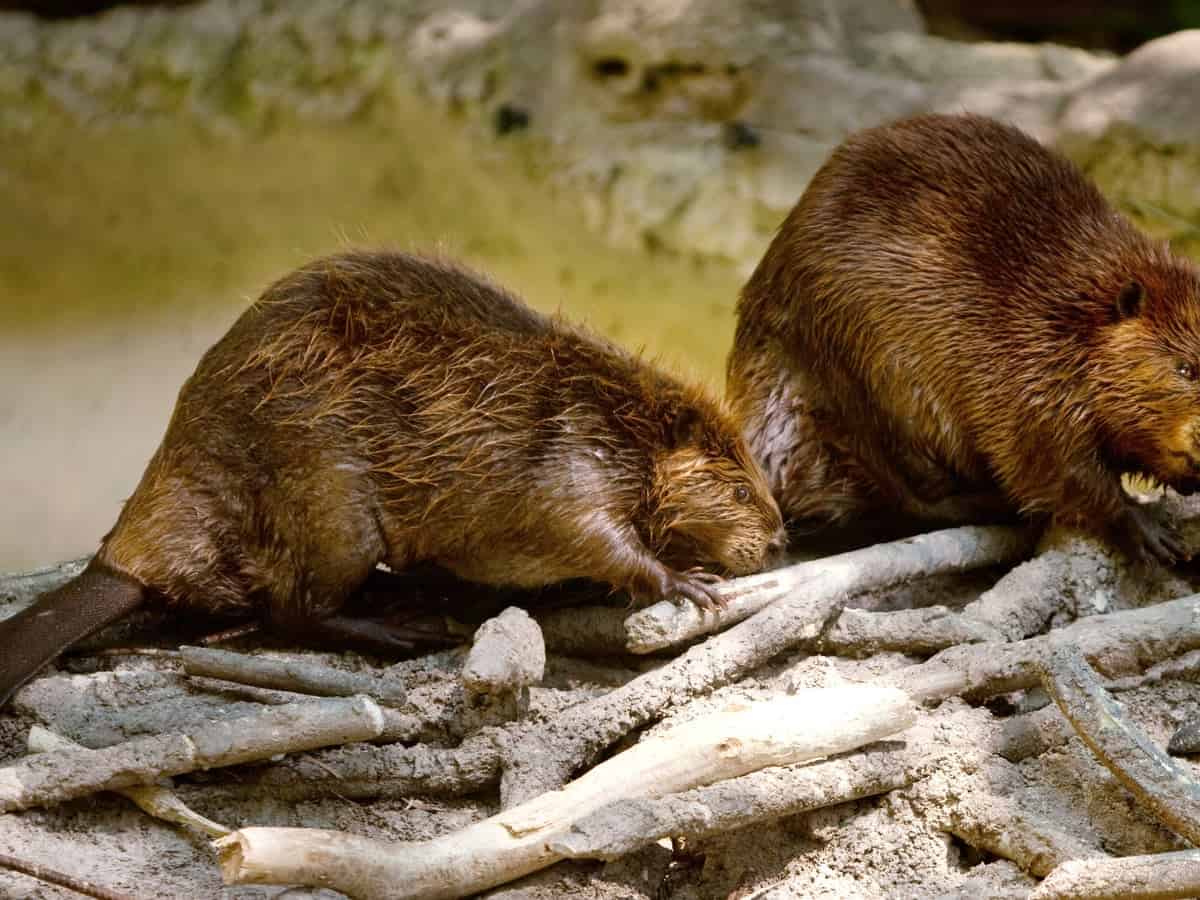
Beavers are very smart mammals who do many things for themselves. Beavers use their long, sharp teeth to gnaw down trees for food and for building what they need. Beavers are natural engineers that solve problems such as creating a natural habitat, which is a place to live or shelter for dwelling. The beavers use natural resources to build themselves a dam, which is a large wall or barrier that slows down or stops the flow of water. Dams cause the water to pool, causing a pond or lake to form. The main purpose of a dam is to retain, or hold, water. Beavers also live in dams and use them to help capture food. During times of excess water flow, human engineers will design and maintain dams. Beavers also build places to live called lodges, which are big piles of sticks and mud. Beavers strip bark from a tree to build their lodges and dams. Human civil engineers plan, design and maintain many structures (that meet human needs) such as dams. You’ll gather a few materials, even sticks and pebbles from your front or back yard, and design a dam that will limit or prevent the flow of water to the other side.
Problem and Solutions
[contact-form-7 id="18624" title="STEM book form ENG 1"]Let’s Experiment and Build!
Instructions
- Choose a place where it’s ok to spill water such as on a tile floor or outside
- Start by filling a large cup or pitcher with water (ask for help if needed)
- Imagine you are a beaver and need to build a dam, start building in the plastic bin or aluminum pan
- Begin molding the clay, place it in the middle of the pan
- Start weaving craft sticks and pipe cleaners together and secure it in place with glue if you need it
- Create the environment, by adding grass, rock, twigs
- Organize the sticks, pipe cleaners and dirt, across the modeling clay to make it look like a dam
- Think of a dam as a wall while you are building
- Add water to one side of the bin or pan
Result, Reflection, and Redesign
[contact-form-7 id="18625" title="STEM book form ENG 2"]Think about it and Additional Resources
What happens? Did the dam hold back the water, forming a pool? Some water leaking on the other side is fine but not too much. If your dam didn’t hold back the water, try again, find out what changes you need to make!
Share on social media: Record a video or take a picture of your activity and post the results online using the hashtags:
#BeaverBuilders
#ProjectExploration
#StemAtHome
Tag a friend and challenge them to do it, too!
For more activities like this one, go to www.projectexploration.org/stemhome. If you’re interested in learning more about Project Exploration and our free events, programs, and activities, please find us on social media and be sure to follow!
Call or text us for help: 312-772-6634
In this video, you will learn…
- How beavers build dams