
Circuit Flower
In this activity, you will
learn about circuits while making a piece of art!
Supplies Required
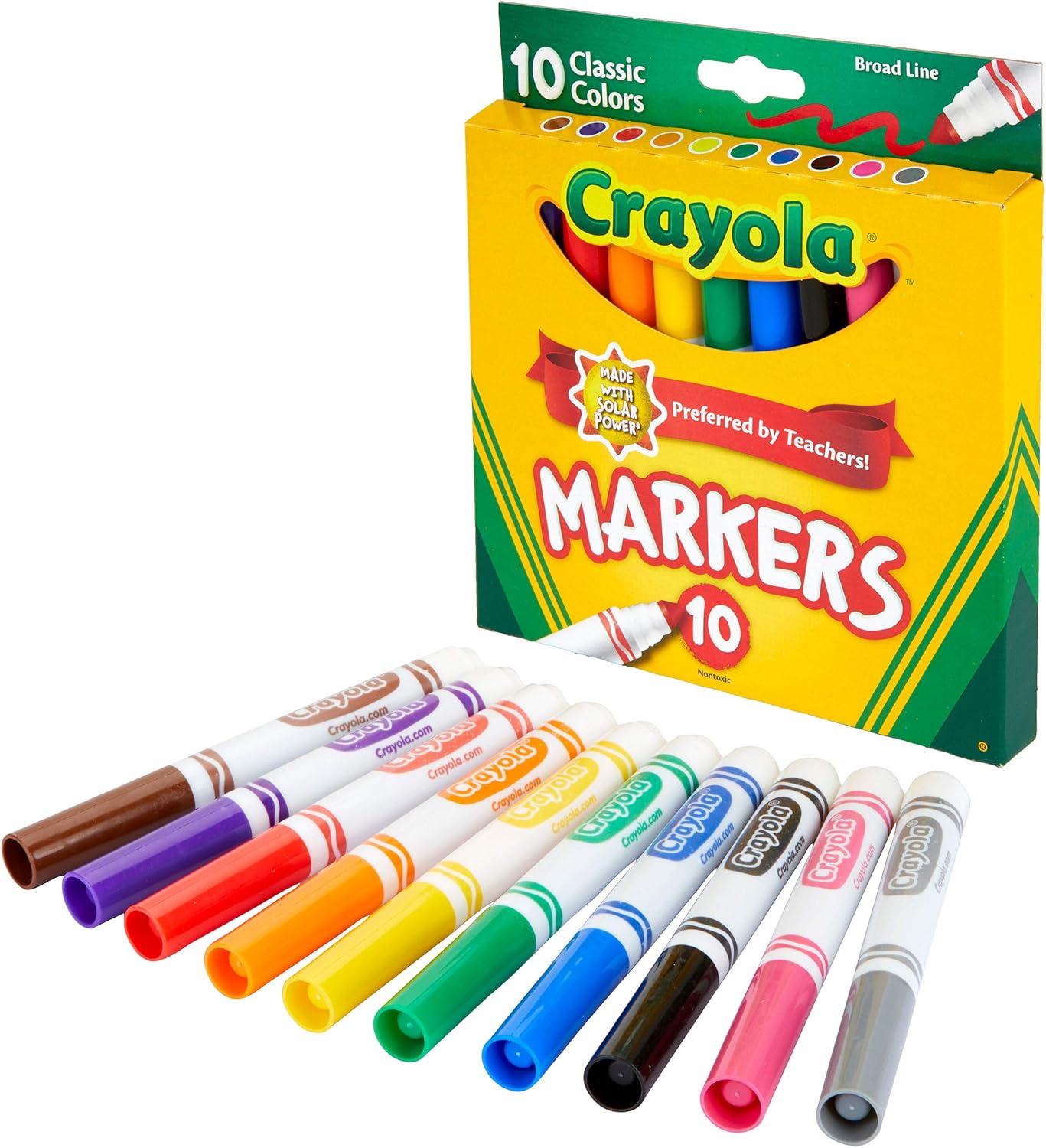
- Markers
- Water

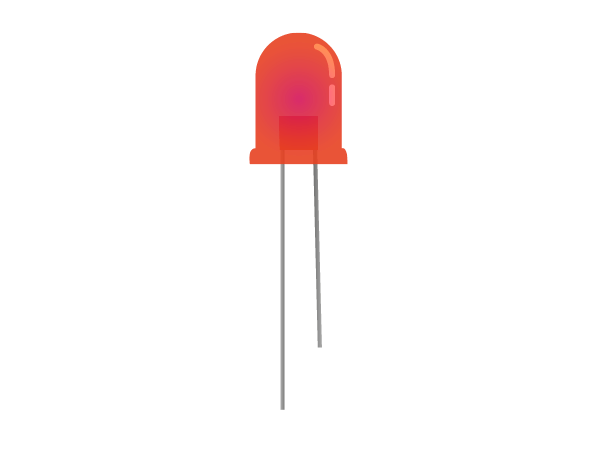
- 1 LED
- Clothespin

- 2, 8in stranded wires

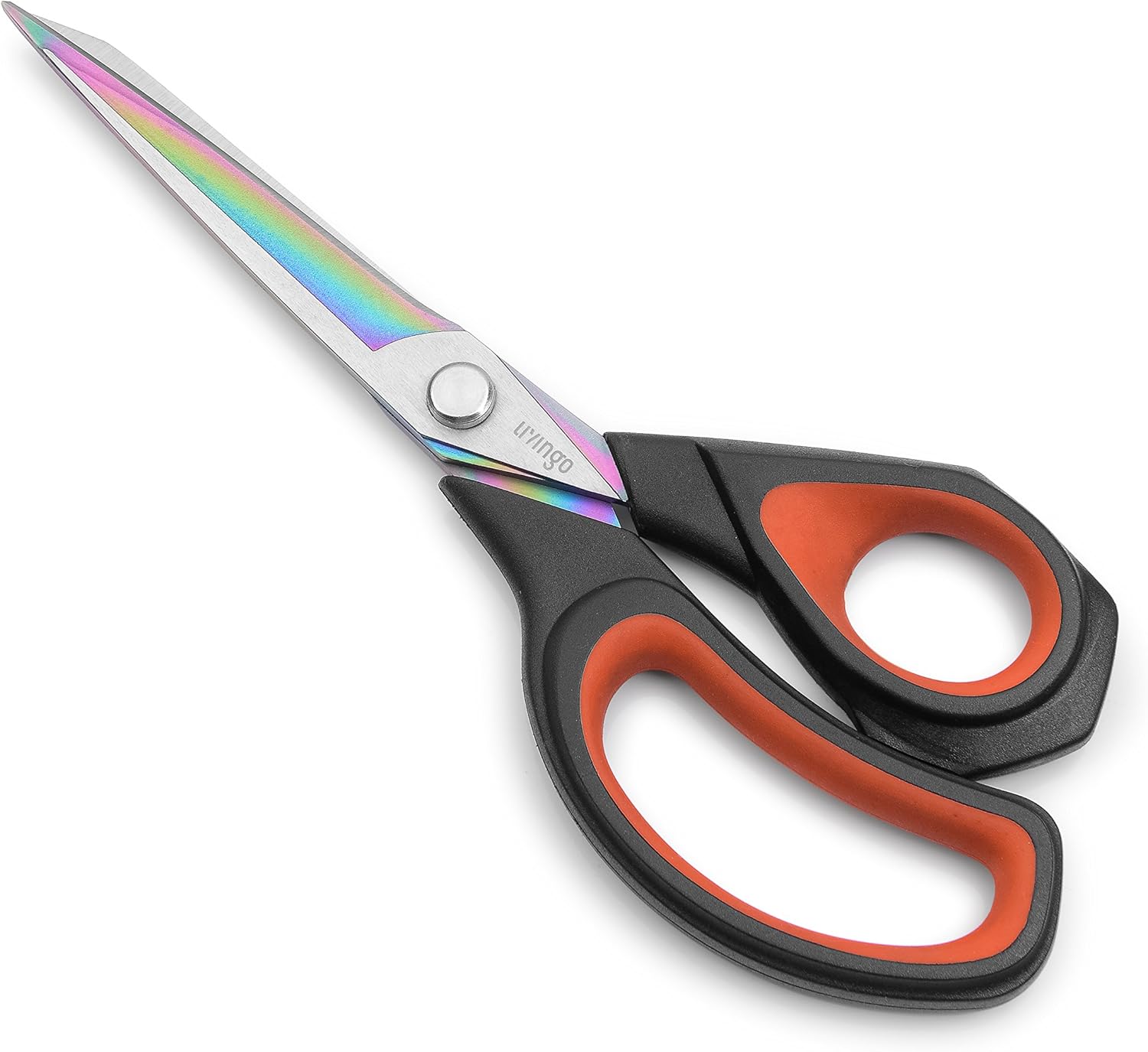
- Scissors
- Coffee filter

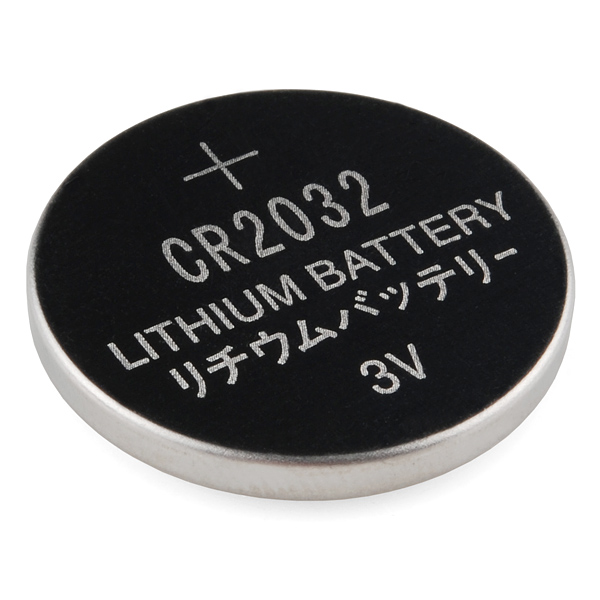
- CR2032 Coin Battery
- Electrical tape

The Challenge
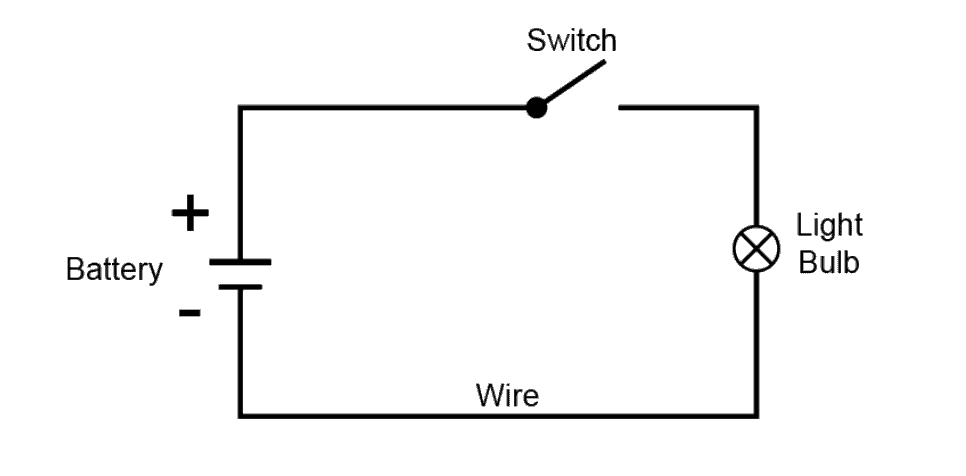
A circuit is a complete path around which electricity can flow. Materials that allow electric current to pass through them easily, called conductors, can be used to link the positive and negative ends of a battery, creating a circuit. Did you know that the light switch is the most common used circuit due to it being used everyday. Just as well as computers, televisions and other household electronics. Let’s construct our own!
Problem and Hypothesis
[contact-form-7 id="18628" title="STEM book form SCI 1"]Let’s Experiment and Build!
Instructions
- Flatten the coffee filter, and draw a thick-lined circle from the middle of the filter to the edge.
- Add about a teaspoon of water to the middle of the coffee filter.
- As the water moves through the filter it will spread the colors out, creating a watercolor effect.
- Set the filters aside to dry.
- While your filters are drying, slip your coin cell battery between the legs of the LED light.
- Cut your wires and strip the ends – you need two wires, approximately 8 inches in length, and strip about half an inch from each end to expose the wire – these are your contact points with your battery and LED.
- Take your coffee filter paper and grab it in the middle, roll and bunch it to gather it up and form your flower, you should have a small “stalk”.
- Push the legs of the LED bulb through the paper just off to the side of the stalk in your paper.
- Now wrap one wire tightly around the first leg, repeat for the other leg.
- Slide the legs of the LED onto the end of your clothespin, so one leg is on each side. Tape into place. Now tape your stalk to the other clothespin end. This is to help secure everything.
- Wrap the wires around your clothespin, then separate the wires, and wrap them individually around each side as you get down to the clamping end of your clothespin. You want to end your wrap with the striped part of your wire on the inside of the clothespin.
- Now slide your battery into the clothespin so it makes contact with the wires. If it doesn’t work, turn your battery around.
Experiment, Analysis, and Conclusion
[contact-form-7 id="18626" title="STEM book form SCI 2"]Think about it and Additional Resources
Share on social media: Record a video or take a picture of your activity and post the results online using the hashtags:
#CircuitFlower
#ProjectExploration
#StemAtHome
Tag a friend and challenge them to do it, too!
For more activities like this one, go to www.projectexploration.org/stemhome. If you’re interested in learning more about Project Exploration and our free events, programs, and activities, please find us on social media and be sure to follow!
Call or text us for help: 312-772-6634
In this video, you will learn…
- How light bulbs work