
Dancing Raisins
In this activity, you will
learn about density!
Supplies Required
- 2 clear cups
- Clear carbonated soda (Ex: Sprite, Sierra Mist, etc.)
- Water
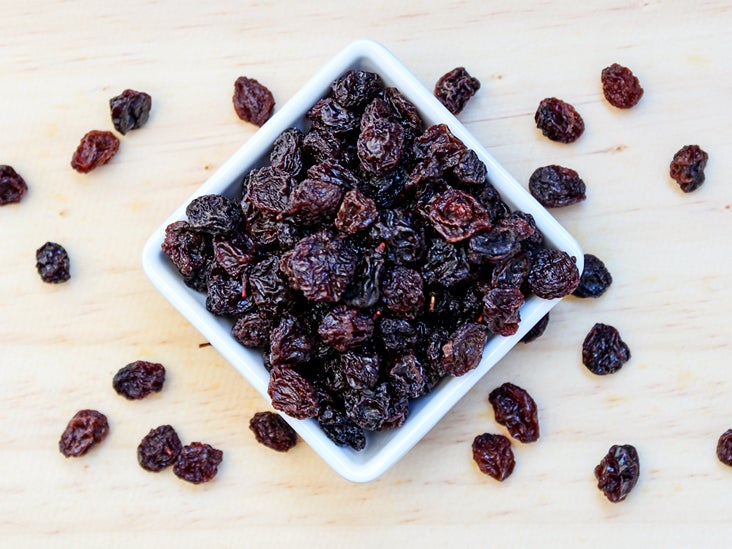
- Raisins


The Challenge
Problem and Hypothesis
[contact-form-7 id="18628" title="STEM book form SCI 1"]Let’s Experiment and Build!
Instructions
- Pour soda into one of the cups and water into the other cup. The cup of water is your scientific control.
- Add a few raisins to each cup one by one.
- Observations: How do the raisins in the cup of water compare with the raisins in the soda?
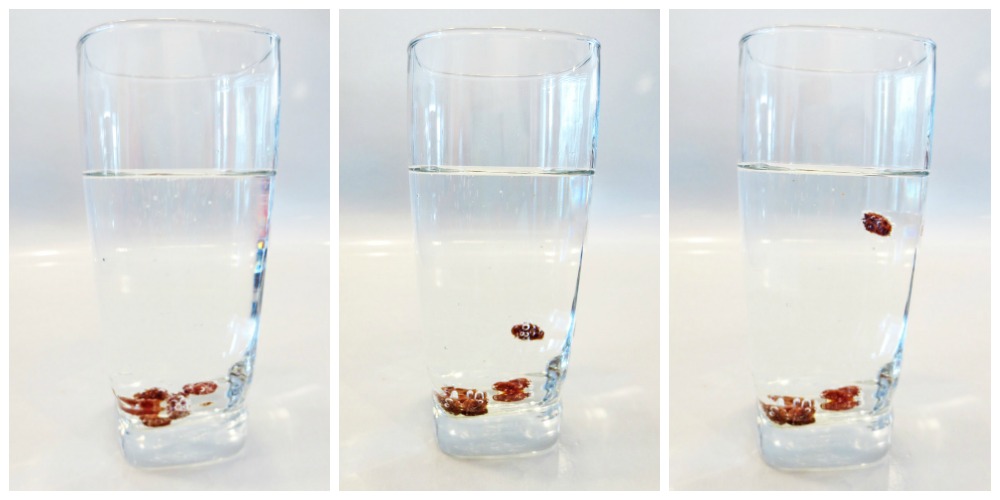
Tiny bubbles of carbon dioxide in the soda attach to the uneven surface of the raisins. All of the little wrinkles on the raisins provide nucleation sites for the carbon dioxide bubbles. When enough bubbles attach to a raisin, it floats to the top of the cup as if it is wearing hundreds of tiny life preservers. Those bubbles pop at the surface and the raisin floats back down, ready to pick up more bubbles. This creates the effect that they are dancing in the cup!
Experiment, Analysis, and Conclusion
[contact-form-7 id="18626" title="STEM book form SCI 2"]Think about it and Additional Resources
Now Try This! What other small objects do you think will dance in soda? Some ideas to try include beads, other dried fruit, corn kernels, lentil beans, and dried pasta.
Share on social media: Record a video or take a picture of your activity
and post the results online using the hashtags:
#DancingRaisins
#ProjectExploration
#StemAtHome
Tag a friend and challenge them to do it, too!
For more activities like this one, go to www.projectexploration.org/stemhome. If you’re interested in learning more about Project Exploration and our free events, programs, and activities, please find us on social media and be sure to follow!
Call or text us for help: 312-772-6634
In these videos, you’ll learn:
- more about carbonation
- how raisins are made